








Caring for someone with dementia can be challenging, but you don’t have to do it alone. With Independent People Live-In Care, you receive award-winning, personalised dementia care in the comfort of your own home.
Why choose us:
- Compassionate carers with thousands of hours of dementia care experience
- Tailored care plans to suit your unique needs and preferences
- Support with personal care, household tasks, and nutritious meals
- Promoting dignity, independence, and quality of life

How does live-in care for dementia work?
Dementia affects everyone differently. The type and stage of dementia can influence symptoms, behaviours and daily challenges, which is why no two care journeys are ever the same. What works well for one person may not be right for another.
Our dementia live-in care is designed to be completely flexible and tailored to the individual. We adapt support to your unique needs, preferences and routines, because there’s no such thing as one-size-fits-all care.
Our mission is simple: to put you in control of your care and give families peace of mind. Whether you need gentle companionship and help with day-to-day tasks, or round-the-clock professional support from a specialist dementia carer, we’re here to help you live safely and independently in the comfort of your own home.
From preparing meals and light housekeeping to personal care and emotional reassurance, our dementia live-in carers provide compassionate support that makes everyday life easier, safer, and more enjoyable. Above all, we focus on preserving dignity, maintaining independence and creating a sense of normality for you and your loved ones.
Your Guide to Live-in Care
Dementia Live-in Care
Types of Dementia
The Stages of Dementia: Explained
Dementia Facts and Questions
How care changed a life: A Dementia Case Study
What are the 7 stages of Dementia?
Dementia Eating and Drinking Tips
Living with dementia: our dementia home safety checklist
10 Early Signs of Dementia in Women
Worried a relative is showing signs of Dementia?
Dementia: 10 Signs Death Is Near
Why home is best for dementia care
For people living with dementia, the familiar surroundings of home can make a huge difference to wellbeing, comfort and independence. Staying at home allows familiar routines, memories and personal belongings to remain intact, which can reduce the feelings of confusion and anxiety often experienced by people with dementia.
Receiving dementia care at home also provides:

Continuity of daily routines
preserving familiar habits and schedules that bring structure and reassurance.
Emotional comfort
staying close to family, friends and pets in the place that feels most like home.
Cognitive stimulation
familiar surroundings encourage engagement, memory and connection.
Personalised support
care that adapts to changing needs and individual preferences.
Independence and dignity
maintaining choice and control over everyday activities.
With live-in care at home, people with dementia can enjoy professional support while staying in a safe, supportive, and familiar environment. We know this promotes both wellbeing and quality of life.
Can someone with dementia continue living at home?

Personal care
Bathing, dressing, grooming and continence support with dignity and respect
Emotional support
A friendly face, companionship and reassurance during difficult moments
Mobility support
Safe movement around the home, preventing falls and injuries
Staying connected
Encouragement to enjoy hobbies, family visits and community activities
Nutritional support
Meal planning, preparation and ensuring hydration throughout the day
Home safety
Identifying risks, adding small adaptations such as night lights, and removing trip hazards
Housekeeping
Help with light cleaning, laundry and everyday household tasks
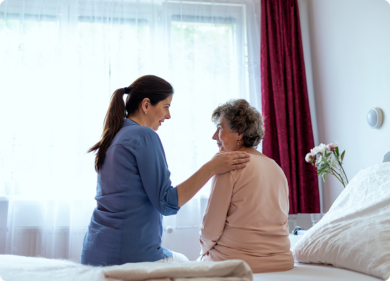
24-hour dementia care
24-hour dementia care provides constant, reassuring support so your loved one is never alone. With round-the-clock help from a dedicated carer, daily needs are met with patience, understanding and kindness.
Whether it’s personal care, meal preparation, or simply a friendly presence through the night, 24-hour care ensures comfort, safety and peace of mind at all times while allowing life to continue in the familiar surroundings of home.
Quick answer:
Dementia live-in care is when a trained carer lives in your home, providing 24/7 support with personal care, meals, safety, mobility, and companionship, helping you stay independent in familiar surroundings.
Why choose dementia live-in care at home?
Live-in care enables a person with dementia to stay in their own home while receiving the personalised support they need to live well:
-
Care is one-to-one and fully personalised to individual needs.
-
Carers are trained in dementia care and behaviour support.
-
Family members have peace of mind knowing support is always available.
-
You remain in the comfort and familiarity of your own home.
-
Daily routines bring consistency and reduce confusion.
-
Care adapts as dementia progresses, from early to more advanced stages.
Arrange dementia home care today
Think live-in dementia care might be right for you or a loved one? Contact our friendly, compassionate team today to discover more about how we can help.
There’s no obligation. Just a friendly, casual chat about your needs. From there, we’ll devise a flexible dementia care package, tailored to your specific needs and preferences.
It’s that simple.
How to Get 24-Hour Care at Home
Do you want to find out more about our complex care services? If you’re thinking about live-in care at home for a loved one – we’re happy to talk things through with you. It really is that simple.
-
1
Call our friendly care team
If you think care in your own home may be the right option for you, call our friendly team today on 0800 471 4741. You can also email us to arrange for someone to call you back at a time convenient for you.
-
2
Talk to an expert
A Customer Care Partner will discuss your care requirements and the type of live-in carer you want to employ.
-
3
Choose the right carer
We’ll find a selection of live-in carers who suit your requirements.We are there every step of the way with advice and help.
We cover an extensive range of locations across the UK, with expertly trained care assistants ready to support you. Check out the areas we cover today for specific locations.
Familiar surroundings provide comfort and a sense of safety.
Home care offers a calmer setting than a busy care home.
Daily life is more engaging with a live-in or visiting carer.
Friends and family can visit freely, just as before.
Familiar environments help reduce confusion and anxiety.
Being surrounded by personal memories brings reassurance.
One-to-one support is always available, even at night.
Consistent routines around meals and bedtime provide stability.
Gentle daytime activity can help improve sleep patterns.
Carers are trained in dementia care and can receive specialist support.
You stay in control and care is managed your way, in your own home.
Comprehensive Services and Specialised Training
At Independent People Live-In Care, we recognise the unique challenges faced by poeple living with dementia. Our dedicated live-in care services are designed to provide personalised, compassionate support that enhances the quality of life for our clients and their families. Our carers are specially trained to manage the complexities of dementia, ensuring that each client receives the highest level of care and attention.
Specialised Training for Dementia Care
Our live-in carers undergo extensive training to equip them with the skills necessary to support people with dementia.
Understanding Dementia
Comprehensive education on the different types of dementia, its symptoms, stages, and progression to tailor care plans effectively.
Communication Techniques
Learning strategies to communicate clearly and empathetically with clients who may have difficulty expressing themselves.
Behavioural Management
Training in techniques to support clients experiencing changes in behaviour, agitation or anxiety.
Cognitive Stimulation
Developing activities that promote mental engagement and delay cognitive decline.
Safety Awareness
Understanding how to create a safe environment to prevent accidents and ensure the well-being of clients.
What’s Included with Our Live-In Care for Dementia
Our live-in care services for people living with dementia are designed to address all aspects of their daily lives, providing comfort, safety, and enhanced well-being. These services include:

Real-Life Example
Jane’s Journey with Dementia Care
Jane, an 82-year-old client with advanced dementia, found daily activities increasingly challenging. Our carer, Emily, provided continuous support, assisting Jane with her daily routines and ensuring she felt safe and comfortable. Emily used specialised communication techniques to engage Jane in conversations and activities that stimulated her mind. She also prepared nutritious meals and maintained a safe, organised home environment. The companionship and emotional support Emily offered significantly improved Jane’s quality of life and provided peace of mind to her family.
At Independent People Live-In Care, we are committed to delivering exceptional dementia care that addresses both the physical and emotional needs of our clients. Our carers are specially trained to manage the complexities of dementia, ensuring they provide comprehensive, compassionate support. By offering personalised care services, we strive to enhance the quality of life for individuals with dementia, allowing them to live with dignity and comfort in their own homes.
How can we support you?

Care for Younger Adults
Live-in care for younger adults, an alternative to residential care
View Brochure

Comprehensive Guide to Live-in Care for Dementia
How Live-in Care Improves Life Quality for Dementia Patients
Live-in care for dementia involves a professional carer living in the home of the person with dementia, providing continuous support and assistance tailored to their specific needs. This includes help with daily activities, personal care, and companionship, ensuring the individual can remain in the comfort and familiarity of their own home.
Live-in care offers numerous benefits for someone with dementia, including consistent and personalised care, a familiar environment which reduces confusion and anxiety, and immediate assistance with daily activities and emergencies. This continuity of care helps maintain a higher quality of life and can slow the progression of dementia symptoms.
Live-in carers for dementia typically have training in dementia care, first aid, and chronic disease management. They often hold certifications such as NVQs in Health and Social Care and undergo regular training updates to stay current with best practices in dementia care.
Carers receive specialised training in managing dementia-related behaviours such as aggression, wandering, and confusion. This training includes techniques for de-escalation, communication strategies, and creating a safe and supportive environment.
Carers assist with daily activities such as bathing, dressing, meal preparation, and mobility. They also help with medication management, household chores, and ensuring the person with dementia engages in meaningful activities that stimulate cognitive function.
Suitable activities include puzzles, music therapy, gardening, and gentle exercises. Carers can facilitate these activities, ensuring they are enjoyable and appropriate for the individual's cognitive abilities, helping to maintain mental and physical health.
Carers regularly check vital signs, monitor changes in behaviour, and ensure medications are taken as prescribed. They maintain detailed health records and communicate with healthcare providers to manage the person's overall health effectively.
Yes, carers can arrange and accompany individuals to medical appointments, ensuring that healthcare professionals are kept informed about the individual’s condition and care plan. They also help with scheduling and follow-up care.
Carers conduct safety assessments, implement fall prevention measures, and ensure the home environment is free from hazards. They also keep emergency contact information readily available and are trained to respond quickly to any issues.
Emergency plans include clear protocols for medical emergencies, access to emergency contacts, and regular drills to ensure preparedness. Carers are trained to handle sudden health changes and seek immediate medical assistance when required.
Carers offer companionship, listen to concerns, and engage in activities that promote mental well-being, helping to reduce feelings of isolation and anxiety. They create a supportive environment, fostering a sense of security and comfort.
Carers use relaxation techniques, encourage participation in enjoyable activities, and provide a supportive presence to help manage anxiety and depression. They also ensure that the individual follows any prescribed mental health treatment plans.
Contact a reputable care agency, such as IP Live-in Care, to discuss your loved one's needs. They will conduct a comprehensive assessment to develop a personalised care plan. This process often includes a free consultation.
Look for providers with experience in dementia care, trained carers, positive reviews, and a comprehensive care plan tailored to the individual’s needs. It is important to ensure the provider has a good reputation and offers continuous support.
Costs for live-in care typically start from £1095 per week, depending on the level of care required. A thorough assessment of needs, which is free to arrange, will provide a more accurate cost.
Some insurance plans and government programmes may cover part or all of the costs of live-in care. It’s advisable to discuss fees with the provider and explore financial assistance options.
Yes, care plans are tailored to the individual’s specific health needs, preferences, and daily routines, ensuring personalised support. This customisation helps provide the most effective care.
Live-in care arrangements can be adjusted based on changing needs and preferences, providing flexibility to accommodate the individual's condition. This flexibility ensures that the care evolves with the person's requirements.
Carers can assist with light housekeeping duties such as cleaning, laundry, and meal preparation, ensuring a clean and comfortable living environment. This support helps alleviate the burden of household chores.
Yes, carers can plan and prepare nutritious meals tailored to the dietary needs of individuals with dementia. Proper nutrition can help manage dementia symptoms and improve overall well-being.
Carers regularly check vital signs, monitor changes in behaviour, and ensure medications are taken as prescribed. They maintain detailed health records and communicate with healthcare providers to manage the individual's overall health effectively.
Yes, carers can arrange and accompany individuals to medical appointments, ensuring that healthcare professionals are kept informed about the individual’s condition and care plan. They also help with scheduling and follow-up care.
Carers can facilitate social interactions by organising visits with friends and family, accompanying the person to social events, and engaging in community activities. Maintaining social connections is important for mental well-being.
Suitable activities include puzzles, music therapy, gardening, and gentle exercises. Carers can facilitate these activities, ensuring they are enjoyable and appropriate for the individual's cognitive abilities, helping to maintain mental and physical health.
It is important to have legal documents such as a power of attorney and advanced directives in place. These documents ensure that the individual's wishes are respected and provide guidance for carers and family members in decision-making.
Financial support may be available through government programmes, insurance policies, and non-profit organisations. It is advisable to explore all options and consult with a financial advisor to determine the best course of action.
Carers offer companionship, listen to concerns, and engage in activities that promote mental well-being, helping to reduce feelings of isolation and anxiety. They create a supportive environment, fostering a sense of security and comfort.
Carers use relaxation techniques, encourage participation in enjoyable activities, and provide a supportive presence to help manage anxiety and depression. They also ensure that the individual follows any prescribed mental health treatment plans.
A care plan is developed through a comprehensive assessment of the individual's needs, preferences, and medical history. This plan is tailored to provide personalised support and is regularly reviewed and adjusted as needed.
Yes, live-in care can be arranged on a temporary or short-term basis, such as for respite care or post-hospital recovery. This flexibility allows for tailored support based on the individual's specific circumstances.
Carers use clear, simple language, maintain eye contact, and offer reassurance. They are trained to understand and interpret non-verbal cues and to be patient and supportive in their interactions.
Carers use techniques such as redirection, validation, and creating a calm environment to manage challenging behaviours. They are trained to handle situations such as aggression, wandering, and confusion with empathy and skill.
Carers help with bathing, dressing, grooming, and toileting, ensuring that the individual's personal hygiene needs are met with dignity and respect. They follow a consistent routine to reduce anxiety and maintain comfort.
Yes, carers can assist with mobility, ensuring the individual moves safely around their home. They also encourage and help with gentle exercises that improve strength, balance, and overall health.
Carers conduct safety assessments, implement fall prevention measures, and ensure the home environment is free from hazards. They also keep emergency contact information readily available and are trained to respond quickly to any issues.
Emergency plans include clear protocols for medical emergencies, access to emergency contacts, and regular drills to ensure preparedness. Carers are trained to handle sudden health changes and seek immediate medical assistance when required.
Family members can participate in care planning, provide emotional support, and stay informed about the individual's condition. Regular communication with the carer ensures that the family's insights and preferences are incorporated into the care plan.
Support for family members includes counselling, support groups, and educational resources. Many organisations offer assistance to help families cope with the challenges of caring for a loved one with dementia.
Technology such as GPS tracking, medical alert systems, and specialised apps can enhance safety and communication. These tools help carers monitor the individual's well-being and provide timely assistance when needed.
Innovations such as sensory therapy, virtual reality, and cognitive training programs can enhance the quality of life for individuals with dementia. These approaches provide stimulating and enjoyable activities that support cognitive function.
Carers can ease the transition by creating a familiar and comforting environment, establishing a consistent routine, and providing reassurance. They work closely with the individual and their family to ensure a smooth adjustment to live-in care.
Making a home dementia-friendly involves removing hazards, using clear signage, and creating a calm and organised environment. Carers can provide guidance on home modifications that enhance safety and comfort.
Carers ensure that medications are taken as prescribed, maintain a medication schedule, and monitor for side effects. They also handle prescription refills and communicate with healthcare providers about the individual's medication regimen.
Yes, trained carers can administer medications, including oral medications and injections if necessary. They follow strict protocols to ensure the safe and accurate administration of all prescribed treatments.
Carers offer companionship through conversation, shared activities, and emotional support. They help reduce feelings of loneliness and isolation by being a consistent and caring presence in the individual's life.
Companionship plays a crucial role in dementia care by providing emotional support, reducing anxiety, and enhancing the individual's quality of life. Regular social interaction helps maintain cognitive function and overall well-being.
Yes, carers can provide transportation to medical appointments, social events, and other outings. They can also run errands such as grocery shopping and picking up prescriptions, ensuring the individual’s needs are met.
Carers plan outings carefully, considering the individual's preferences and abilities. They ensure that trips are safe and enjoyable, providing the necessary support and supervision throughout the outing.
Feedback can be provided through surveys, direct communication with care managers, or online reviews. Your input helps improve the quality of care and ensures that services meet your expectations.
Reviews and testimonials can be found on care provider websites, independent review platforms, and from healthcare professionals who recommend these services.