

If an elderly person is struggling to get out of bed, it may be caused by reduced muscle strength, mobility problems, arthritis, illness, balance issues or a lack of confidence following a fall. While occasional difficulty may be expected with age, ongoing problems should not be ignored. Getting out of bed is something many people […]
Category: Elderly care and safety
Helpful insight into staying steady, active and independent, from mobility and nutrition to creating a safer everyday environment.
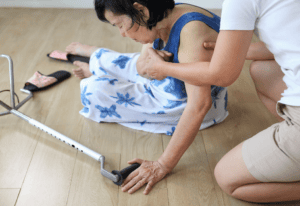
Elderly recovery after a fall
Recovery after a fall can take time, especially for older adults. While some people recover quickly, others may experience reduced mobility, loss of confidence or difficulty returning to their usual routine. The impact of a fall is not always physical. Many older people become worried about falling again, which can affect their confidence and independence. […]
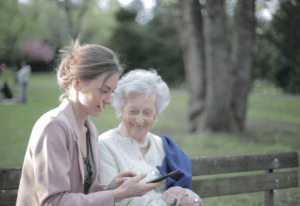
How to Find a Physiotherapist for the Elderly in the UK
Finding the right physiotherapist can help an older person maintain their mobility, recover after illness or surgery, and remain independent for longer. Whether someone is experiencing reduced mobility, recovering from a fall or managing a long term health condition, physiotherapy can provide practical support to improve strength, balance and confidence. This guide explains how to […]

Muscle weakness in legs in the elderly
Muscle weakness in the legs is common among older adults and can affect mobility, balance and independence. It may develop gradually with age or occur after illness, injury or a period of reduced activity. Weak legs can make everyday tasks more difficult. Some people struggle to climb stairs, stand from a chair or walk longer […]
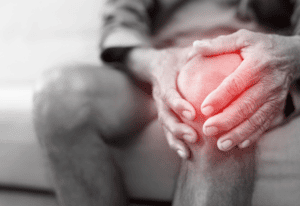
What causes stiff joints in the elderly?
Stiff joints in older adults are often caused by age related changes to the joints, arthritis, reduced physical activity or underlying health conditions. Stiffness can affect mobility, make everyday tasks more difficult and reduce confidence when moving around. Many people notice that their joints feel stiffer as they get older. This may happen first thing […]

What is a Care Needs Assessment?
A care needs assessment is the first step in understanding what support someone may need to manage day to day life. It is a free assessment carried out by your local council to look at a person’s health, wellbeing and ability to cope with everyday tasks. If you or a loved one are struggling, this […]

Emergency Respite Care for the Elderly
When unexpected situations arise, arranging care quickly can feel overwhelming. Emergency respite care for the elderly provides immediate, short term support when a regular carer is unavailable or a sudden change in circumstances means extra help is needed. Whether due to illness, hospital admission or simply burnout, emergency respite care ensures your loved one continues […]

Loneliness in the Elderly
Loneliness in the elderly is a growing concern for many families, especially as loved ones become more isolated over time. As people age, changes such as retirement, loss of loved ones, or reduced mobility can make it harder to stay socially connected. While some people enjoy their own company, ongoing loneliness can have a significant […]

Companionship Helps Reduce Loneliness in Elders
Loneliness and isolation are common issues affecting individuals from all age groups, but especially older adults who may find it more difficult to leave the house, see or talk to loved ones, or join in with their community’s social scene. Loneliness can have a detrimental impact on older adults’ health and even lead to a […]

How to Choose a Companionship Care Provide
As we age, we may require more than just medical care and support. Sometimes, vulnerable adults simply need to see a friendly face throughout the day, spend time outside the house, or have a chat over a nice cup of tea. Companionship care is designed to fill this need and help you remain comfortable, happy […]

What Is Respite Care for The Elderly?
Respite care is designed to relieve pressure on family caregivers and provide them with much-needed rest. A respite carer will take care of any responsibilities required while an individual’s full-time carer takes a break, including personal care, companionship and mobility assistance. Assuming the role of family caregiver is a rewarding one, but it also comes […]

9 Tips for Helping Elderly Loved Ones This Christmas
Christmas can be a joyful time but for many older people it can feel painfully quiet. If you have an elderly relative, neighbour or friend, a quick check in can mean the world and it could be more important than you realise. Age UK research highlighted by Age UK Bolton suggests 1.5 million older people […]

What are the different types of care for the elderly?
Choosing the right care for an elderly loved one can feel daunting, and families often worry about finding a solution that balances independence, comfort, and safety. From live-in care at home, where your loved one can remain in familiar surroundings with one-to-one support, to visiting care and residential settings offering assistance, each option has its […]

What to Do When an Ageing Parent Needs Care
When an ageing parent starts to need more support, the first steps are to talk to them about what they need, identify any changes that may affect their safety or independence and explore suitable care options together. You don’t have to make every decision at once. Taking a step-by-step approach can help your family understand […]

Home adaptations for the elderly
11 Home Adaptations for the Elderly As we get older, the house we have always known can start to feel less easy to manage. Simple things like climbing the stairs, getting in and out of the bath, or reaching cupboards in the kitchen may take more effort. Home adaptations for the elderly are practical changes […]

Malnutrition and the elderly
A Guide for Families and Carers By Paul Austin B.Sc.(Hons), MCSP, MIHCMs Table of Contents Understanding Malnutrition Common Nutrient Deficiencies in Seniors Why Malnutrition Occurs in Older Adults The Effects of Malnutrition Signs and Symptoms to Watch For Refeeding and Nutritional Support The Role of Live-In Carers in Combating Malnutrition Impact of Food and Plate […]

Living with dementia: our dementia home safety checklist
A person with dementia may have trouble staying safe in their home due to memory issues, difficulty recognising their environment, trouble identifying risks, mobility problems and more. However, it is possible to make home adaptations in order to help you or your loved one to stay safe and comfortable at home for longer. How to […]

Why are care plans important?
Care plans are an essential part of how social care works in the UK. Put simply, these documents outline the specific needs and preferences of individuals requiring professional care. This could be for elderly people struggling to live independently, individuals living with disabilities or chronic illnesses who require additional support, or patients who require temporary […]

Elderly Nutrition: How to Keep Elderly Individuals Healthy
Understanding the nutrition needs of elderly individuals is crucial for improving their health and well-being. As we age, our bodies require a balance of nutrients to maintain functionality, yet many seniors face challenges in meeting their nutritional needs for the elderly. Key nutrients often fall short in their diets, affecting everything from muscle strength to […]

How to Build a Positive Carer-Patient Relationship
Building a strong and positive carer-patient relationship is more than just a cornerstone of effective care; it’s a bridge that connects two individuals through mutual respect, understanding, and support. The dynamics of care are ever-evolving; the essence of a patient-carer relationship remains rooted in the principles of empathy, communication, and genuine concern for the well-being […]