
Stiff joints in older adults are often caused by age related changes to the joints, arthritis, reduced physical activity or underlying health conditions. Stiffness can affect mobility, make everyday tasks more difficult and reduce confidence when moving around.
Many people notice that their joints feel stiffer as they get older. This may happen first thing in the morning, after sitting for long periods or following an illness or injury.
While some stiffness can be a normal part of ageing, persistent or worsening symptoms should not be ignored.
Why do joints become stiffer with age?
As we get older, changes naturally occur within our joints.
Cartilage, which helps cushion the ends of bones, can gradually wear down. The tissues around the joints may also become less flexible, making movement feel more difficult.
In addition, many older adults become less active because of health conditions, pain or reduced confidence. This can contribute to further stiffness over time.
According to researchers at the University of Southampton, age related muscle loss can increase the risk of weakness, falls and loss of independence in older adults. Staying active is important for maintaining both muscle strength and joint mobility.
Arthritis
Arthritis is one of the most common causes of stiff joints in older people. Osteoarthritis develops when the protective cartilage within joints gradually wears away. This can cause:
- Stiffness
- Pain
- Swelling
- Reduced movement
The condition commonly affects the knees, hips, hands and spine.
Some people notice stiffness is worse when they first wake up or after sitting still for a period of time.
Reduced physical activity
Movement helps keep joints flexible. When people spend long periods sitting or lying down, joints can become stiffer and muscles may become weaker.
This is one reason why stiffness can become more noticeable after:
- Illness
- Surgery
- A hospital stay
- Injury
- Periods of inactivity
Gentle movement and regular activity can often help improve flexibility and reduce discomfort.
Previous injuries
Old injuries can sometimes contribute to joint stiffness later in life. A previous fracture, ligament injury or joint injury may affect how a joint moves and functions over time.
Some people find that symptoms become more noticeable as they age.
Long term health conditions
Several health conditions can affect the joints and surrounding tissues.
These may include:
- Rheumatoid arthritis
- Gout
- Parkinson’s disease
- Lupus
- Osteoporosis
- Certain neurological conditions
If stiffness develops suddenly or is accompanied by swelling, pain or reduced mobility, medical advice should be sought.
Can muscle weakness cause stiff joints?
Muscles and joints work together to support movement. When muscles become weaker, joints may receive less support. This can make movement feel more difficult and contribute to stiffness.
Muscle weakness is particularly common after illness, injury or a period of reduced activity.
If stiffness has developed following illness or a hospital stay, read our guide on how to rebuild muscle strength after illness, which explains practical ways to improve strength, regain confidence and support recovery at home.
How can physiotherapy help?
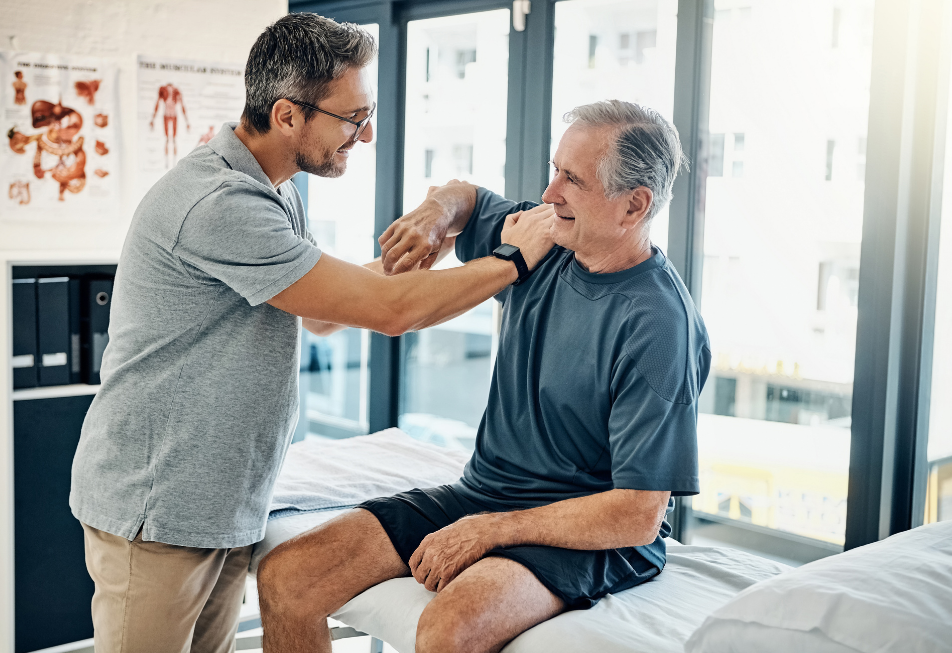
Physiotherapy can help people improve mobility, flexibility and strength. A physiotherapist can assess how the joints are moving and identify any factors that may be contributing to stiffness.
Treatment may include:
- Mobility exercises
- Stretching exercises
- Strength training
- Walking practice
- Advice on managing daily activities
The goal is to help people move more comfortably and maintain their independence.
When should you seek medical advice?
It is important to speak with a healthcare professional if joint stiffness:
- Appears suddenly
- Continues to get worse
- Causes significant pain
- Limits daily activities
- Is accompanied by swelling or redness
- Affects balance or mobility
Early assessment can help identify any underlying conditions and ensure appropriate treatment is provided.
How Independent People Homecare can help
At Independent People Homecare, we are the only UK live-in care provider to integrate free physiotherapy rehabilitation exercises into personalised care plans. Our physiotherapist and care team work together to support mobility, confidence and independence at home.
Find out how our live-in care and physiotherapy support could help you or a loved one. Call 0808 3040503 or request your free brochure today.