
Loneliness in the elderly is a growing concern for many families, especially as loved ones become more isolated over time.
As people age, changes such as retirement, loss of loved ones, or reduced mobility can make it harder to stay socially connected. While some people enjoy their own company, ongoing loneliness can have a significant impact on both emotional and physical wellbeing.
Understanding the signs and knowing how to support someone can make a meaningful difference.
What causes loneliness in the elderly?
Loneliness can develop gradually, which is why it is important to recognise early signs. There are many reasons why older adults may experience loneliness.
Common causes include:
- Loss of a partner or close friends: Bereavement can leave a significant emotional gap and reduce daily interaction
- Reduced mobility or health issues: Difficulty getting out and about can limit social contact
- Living alone: Spending long periods without company can increase feelings of isolation
- Retirement or lifestyle changes: Losing regular routines and social environments can affect connection
- Family living further away: Less frequent visits can lead to fewer opportunities for interaction
Signs of loneliness in older adults
Loneliness is not always easy to spot, but there are some common signs to look out for. Recognising these signs early can help you offer support before loneliness becomes more severe.
These may include:
- Withdrawal from social activities
- Low mood or changes in behaviour
- Loss of interest in hobbies or daily routines
- Changes in sleep or appetite
- Expressing feelings of sadness or isolation
The impact of loneliness on health
Loneliness can affect more than just emotional wellbeing.
Over time, it may contribute to:
- Increased risk of depression and anxiety
- Decline in physical health
- Reduced mobility and activity levels
- Greater risk of cognitive decline
For older adults, staying socially connected is an important part of maintaining overall health and quality of life.
If you are concerned about a loved one’s wellbeing, it can be helpful to speak to a GP. They can offer advice, check for underlying health concerns, and recommend appropriate support or services.
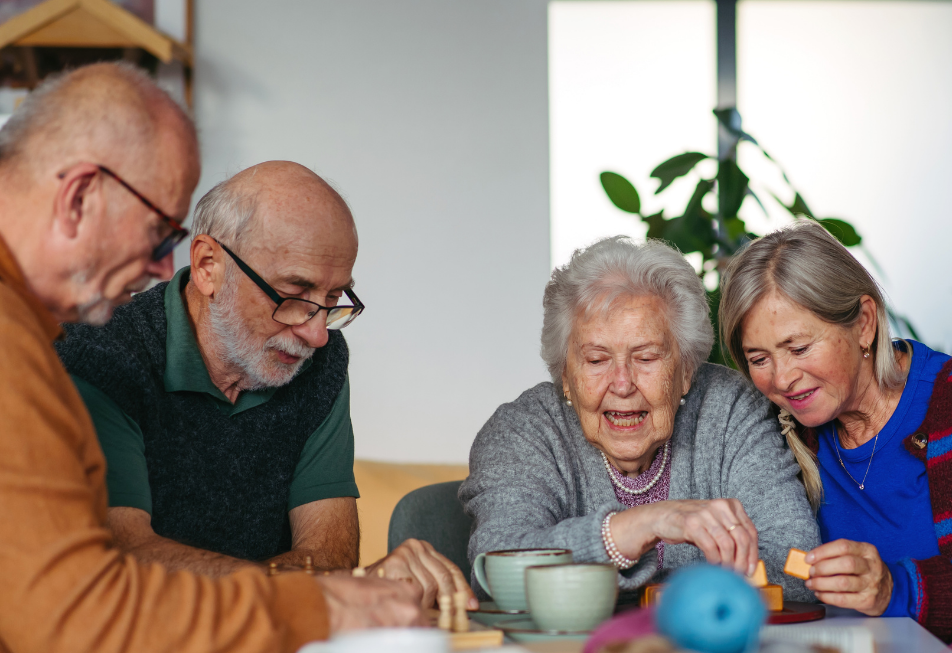
How to support someone experiencing loneliness
There are simple and effective ways to help reduce loneliness and improve overall wellbeing.
You can:
- Encourage regular contact through visits, phone calls, or video chats, helping to maintain a sense of connection and routine
- Support participation in local groups, community activities, or clubs where they can meet others and stay socially engaged
- Help maintain hobbies and interests, whether that is gardening, reading, crafts, or listening to music
- Encourage gentle physical activity, such as short walks or light exercise, which can improve both mood and physical health
- Arrange support with daily routines if needed, ensuring they feel supported and less overwhelmed
It can also help to create small moments of connection throughout the day, such as sharing meals, talking about memories, or simply spending time together.
Even small, regular interactions can make a meaningful difference, helping older adults feel valued, connected, and supported.
Support and resources for loneliness in the elderly
There are a number of organisations across the UK that offer support, advice, and opportunities for older adults to stay connected.
These services can provide both practical help and emotional support:
- Age UK: Offers local services, befriending support, and advice for older people, including community activities and helplines
- Alzheimer’s Society: Provides support groups, dementia cafés, and a Dementia Support Line for those affected by dementia
- Silver Line Helpline: A free, confidential helpline offering friendship and conversation for older people who may feel lonely
- Royal Voluntary Service: Supports older adults through community programmes, social activities, and practical help
The role of companionship in care
Companionship is an important part of care, especially for those who live alone.
Having someone to talk to, share meals with, or spend time together can help reduce feelings of isolation and bring structure to the day.
For many families, professional care can provide both practical support and meaningful companionship.
How live-in care can help with loneliness
Live-in care provides consistent companionship alongside practical support. With a live-in carer, there is always someone present to:
- Share conversations and daily moments
- Support routines and activities
- Encourage social engagement
- Provide reassurance and emotional support
This continuity can help reduce loneliness and create a sense of comfort and stability.
We’re here to help
If you are concerned about a loved one experiencing loneliness, we are here to help.
At Independent People Homecare, we provide personalised live-in companion care that supports both practical needs and emotional wellbeing.
Call 0800 4714741 or email hello1790958540@ipho1790958540mecar1790958540e.co.1790958540uk1790958540 to speak to our care team today.