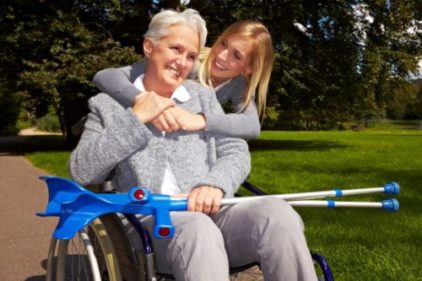
Elderly live-in care means having a trained carer living in your own home, providing one-to-one help with everyday life while you continue to enjoy the place, routines and people you know. For many older people, it can be a practical alternative to moving into a care home, whether you need more help after a hospital stay, support with dementia or more day-to-day care than family or visiting carers can provide.
Independent People Live-in Care provides fully managed live-in care for older people. We assess your needs, match you with a suitable carer and stay involved throughout the arrangement, so you and your family know who to contact if something changes.
What is elderly live-in care?
A live-in carer lives in your home and has their own room, becoming part of your daily routine rather than arriving for a set visit and leaving again. They can help with the things you find difficult while giving you the freedom to decide how you spend your day.
Your carer doesn’t work continuously. Their daily breaks, rest and any agreed overnight support are set out in your care plan, so everyone knows how the arrangement will work.
Who is live-in care for?
Live-in care may be worth considering if you, or someone close to you:
- Need help with personal care, meals or medication through the day
- Feel less confident living alone, or have had a fall or hospital stay
- Are living with dementia and find familiar surroundings and routines helpful
- Have Parkinson’s, stroke-related difficulties or reduced mobility
- Are part of a couple who want to continue living together at home
- Would appreciate companionship as well as practical help
Live-in care doesn’t suit every situation. The starting point is an assessment of what you need and how you want to live, rather than fitting you into a standard package.
What does a live-in carer help with?
Your care plan is built around your usual routine and the things that matter to you: when you get up, what you like to eat, which friends you see and how you spend your time. Typical support includes:
- Personal care, including washing, dressing and continence care, handled discreetly
- Meal planning and cooking around your preferences and dietary needs
- Medication support, including prompts or administration where assessed and agreed in the care plan
- Help moving around the home and getting out and about
- Light housekeeping and laundry
- Encouragement to keep up hobbies, routines and social contact
For someone living with dementia, having a carer who knows their routines and history can make everyday life feel more familiar. Our dementia live-in care is shaped around the person and the things they still enjoy.
How our managed live-in care works
Independent People Live-in Care employs its carers directly and manages the arrangement from start to finish:
- A free care assessment: We talk through your health, daily routine, home and what matters most to you, then agree on a care plan.
- Carer matching: We look at the skills and experience you need, as well as personality and how the carer will fit into your household. We share carer profiles with you before anyone starts.
- Ongoing management: A care manager keeps in touch with you, your family and your carer, carries out spot checks and updates your electronic care record as your needs change.
- Continuity: We arrange cover when your carer is on holiday or unwell, and review your care plan as your needs develop.
When needs are more complex
As your needs change, your care plan may need input from healthcare professionals as well as practical help day to day. For appropriate care packages, our nurse-led approach provides that oversight. Registered nurses and other healthcare professionals assess clinical needs, shape the plan and supervise any delegated healthcare tasks. Carers only take on these tasks after the appropriate training and competency checks.
Nurse-led oversight does not mean a nurse lives in your home. It means the carer supporting you day to day has clinical assessment and review behind them through our nurse-led complex care service.
For some people, care is also about working towards a personal goal, such as moving around the home more confidently or getting back to a familiar activity. After a stroke or fall, for example, our physiotherapy-led rehabilitation service can build exercises into your care plan. A physiotherapist designs the programme and your carer supports you to follow it as part of your routine. Progress varies from person to person, so we focus on realistic goals rather than guarantees.
Live-in care or a care home?
The right choice depends on where you want to live and the level of daytime, overnight and clinical support you need. Live-in care allows you to remain in your own home, with one-to-one attention and your usual routines. For couples, it can also mean continuing to live together.
A care home offers a shared setting with staff on site, while visiting care may suit you if you only need help at particular times of day. Our guide to live-in care versus care homes explains the differences in more detail.
Read more about the factors affecting live-in care costs, or ask our team for an individual quote.
Regulated and independently rated
The Care Quality Commission (CQC) regulates care services in England. Our regulated service is listed by the CQC as Independent People Homecare and is provided by Independent People Homecare Limited. It is registered for personal care and the treatment of disease, disorder or injury.
The most recent CQC report, published on 16 December 2024, rated the service Good overall and in all five areas: safe, effective, caring, responsive and well-led. You can read the full report on the CQC website.
The NHS also suggests asking homecare agencies how they choose their carers, what training they provide and how you can contact them outside office hours. We are happy to answer all three.
Frequently asked questions
Does a live-in carer work 24 hours a day?
No. A live-in carer is present day and night but works agreed hours, with daily breaks and a proper night’s sleep. Any overnight support is limited to what is set out in your care plan.
If you need someone to be awake and available throughout the night, that is a different arrangement, usually involving waking-night or shift-based care. We can assess your needs and talk you through the options.
How much does elderly live-in care cost?
As a guide, live-in care for a single person with low needs currently starts from £1,195 per week. Your quote will depend on the level and type of support you need, including any overnight or specialist requirements.
Could I get help paying for care?
Possibly. In England, local-authority help usually depends on both a care needs assessment and a financial assessment. NHS Continuing Healthcare follows a separate assessment of whether you have a primary health need. A diagnosis alone does not decide eligibility.
Attendance Allowance is not means-tested. If you have reached State Pension age and need help or supervision because of a disability or health condition, check the full eligibility criteria on GOV.UK. In Scotland, Pension Age Disability Payment applies instead. Our page on NHS help with care costs explains more.
How quickly can care start?
Once we have assessed your needs and checked carer availability, we will explain the earliest suitable start date. If someone is leaving hospital, it is worth getting in touch as early as possible so there is time to plan the care around their discharge.
Can a couple have one live-in carer?
Often, yes. One carer can support a couple living together where the assessment confirms that their combined needs can be safely met by one carer. Couples pricing reflects this.
What if the match doesn’t feel right?
Speak to your care manager. We will talk through what is not working and what needs to change, including whether a different carer would be more suitable.
Talk to us about live-in care
Whether you’re looking into care for yourself, your mum or dad, or your partner, you don’t need to have everything worked out before you get in touch. Call Independent People Live-in Care on 0800 471 4741 or complete our online enquiry form to arrange a free care assessment.
We will listen to what you need, explain your options and help you decide whether elderly live-in care is the right next step.