
A dementia diagnosis raises many difficult questions for families, caregivers, and people with dementia themselves. One of the most common concerns is: how long can a person with dementia live at home? The answer varies widely and depends on several factors, including the type of dementia, stage of the disease, available support, and overall health.
While dementia is a life-limiting condition and dementia reduces life expectancy, many people with dementia are able to live in their own home for years after diagnosis with the right support in place.
Understanding Dementia and Disease Progression
Dementia is not a single disease but an umbrella term for conditions that affect the brain, memory, thinking, and daily living. Alzheimer’s disease is the most common cause, but there are many other types of dementia, including vascular dementia, Lewy bodies dementia, and frontotemporal dementia.
Dementia often progresses through three stages:
- Early stages
- Middle stage
- Advanced or late stage dementia
Alzheimer’s disease can begin years before symptoms appear, including preclinical Alzheimer’s disease, making the timeline different for every person living with dementia.
Living at Home in the Early Stages of Dementia
In the early stages, many people with dementia live independently or with minimal home support. Symptoms may include mild memory loss, difficulty with complex tasks, and occasional confusion, but daily tasks are often manageable.
At this stage, simple adjustments can support wellbeing, such as:
- Assistive technology for reminders and safety
- Medication management tools
- Easy access to healthcare professionals
- Support groups for emotional support
With the right support, people with dementia can maintain a higher quality of life at home during this phase.
The Middle Stage and Increasing Care Needs
As dementia progresses to the middle stage, abilities change and symptoms become more noticeable. A person with dementia may struggle with personal care, medical appointments, and daily living activities.
Family members and caregivers often take on a larger role, providing:
- Help with daily tasks
- Supervision for safety
- Emotional and practical support
- Coordination of health care services
Many dementia patients can still live at home during this stage, but it often requires structured home support and ongoing medical attention.
Advanced and Late Stage Dementia
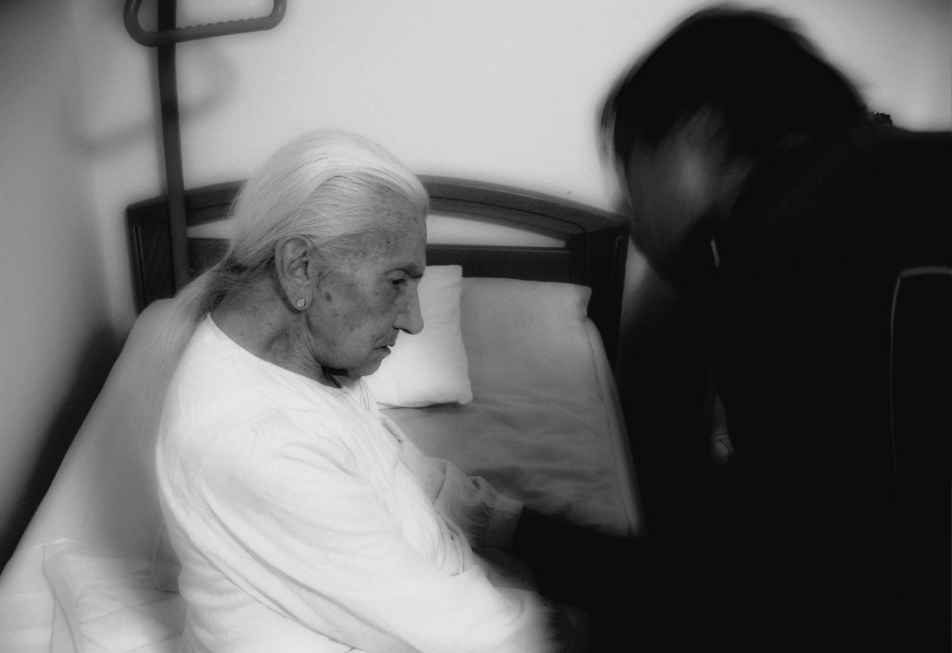
In the later stages, including late stage dementia, living at home becomes more challenging. Severe memory loss, reduced mobility, difficulty swallowing, and other health issues are common. The disease has a severe impact on a person’s life and the lives of families affected.
At this point, care needs may exceed what can be safely provided at home, even with support. Families may consider:
- Nursing homes
- A care home specializing in dementia care
- Continuing care retirement communities
The decision to move is deeply personal and often based on safety, medical needs, and caregiver wellbeing.
Factors That Affect How Long Someone Can Live at Home
There is no fixed timeline for how long a person with dementia can live at home. Several factors influence this decision:
- Type of dementia: Alzheimer’s disease, vascular dementia, Lewy bodies dementia, and frontotemporal dementia progress differently
- Stage of dementia at diagnosis
- Overall health and other medical conditions
- Availability of family and caregiver support
- Access to services and healthcare professionals
- Home environment and safety adaptations
On average, life expectancy after diagnosis ranges from four to eight years, but many people live longer, particularly when diagnosed early.
Practical Advice for Supporting Life at Home
To help a loved one with dementia live at home for as long as possible, consider:
- Creating a safe and familiar home environment
- Using assistive technology for monitoring and reminders
- Encouraging recreational activities suited to current abilities
- Scheduling regular medical appointments
- Seeking support groups and respite services for caregivers
Early planning can reduce stress and allow the person living with dementia to remain at home longer.
When Living at Home Is No Longer the Best Option
Choosing a care home or nursing home does not mean failure. In more advanced stages, professional dementia care can provide consistent medical attention, structured routines, and specialized support that families may not be able to provide alone.
Think live-in dementia care might be right for you or a loved one? Contact our friendly, compassionate team today to discover more about how we can help.
There’s no obligation. Just a friendly, casual chat about your needs. From there, we’ll devise a flexible dementia care package, tailored to your specific needs and preferences. It’s that simple.