
Rebuilding muscle strength after illness usually involves gentle movement, regular strength exercises, good nutrition and gradual increases in daily activity. For older adults, physiotherapy and support at home can also help make recovery safer and more manageable.
After an illness, many people feel weaker than before. This can happen after an infection, surgery, a fall, a hospital stay or a period of bed rest. Everyday tasks may feel harder, such as standing from a chair, walking to the bathroom or getting in and out of bed.
This weakness should not be ignored. With the right support, many people can rebuild strength, improve mobility and regain confidence.
Why muscle strength can reduce after illness
When someone is unwell, they often move less than usual. They may spend more time sitting or lying down. Over time, this can lead to muscle loss and reduced stamina.
Age can make this more difficult. According to King’s College London, people can start to lose muscle mass from their 40s. By their 60s, muscle mass may reduce by around 1% each year on average.
This means that an older person may find it harder to recover strength after illness than they did when they were younger. It does not mean recovery is impossible. It may simply mean that support needs to be gradual, consistent and adapted to the person’s ability.
Start with safe daily movement
The first step is often to reintroduce gentle movement into the day. This might include sitting out of bed for meals, walking short distances around the home or standing for brief periods with support.
Small movements can help the body adjust after a period of reduced activity. They can also help improve circulation, balance and confidence.
It is important not to rush. Doing too much too soon can increase fatigue or the risk of falling.
Build strength gradually
Muscle strength is rebuilt through regular use. For older adults, strength exercises do not need to involve heavy weights or gym equipment. Many exercises can be done at home, using body weight or light resistance.
These may include:
- Sit to stand exercises
- Gentle leg raises
- Heel raises
- Seated marching
- Wall press ups
- Short supported walks
- Balance exercises
A physiotherapist can advise which exercises are safe and suitable. This is especially important after surgery, a fall or a hospital stay.
Eat enough protein and nourishing foods
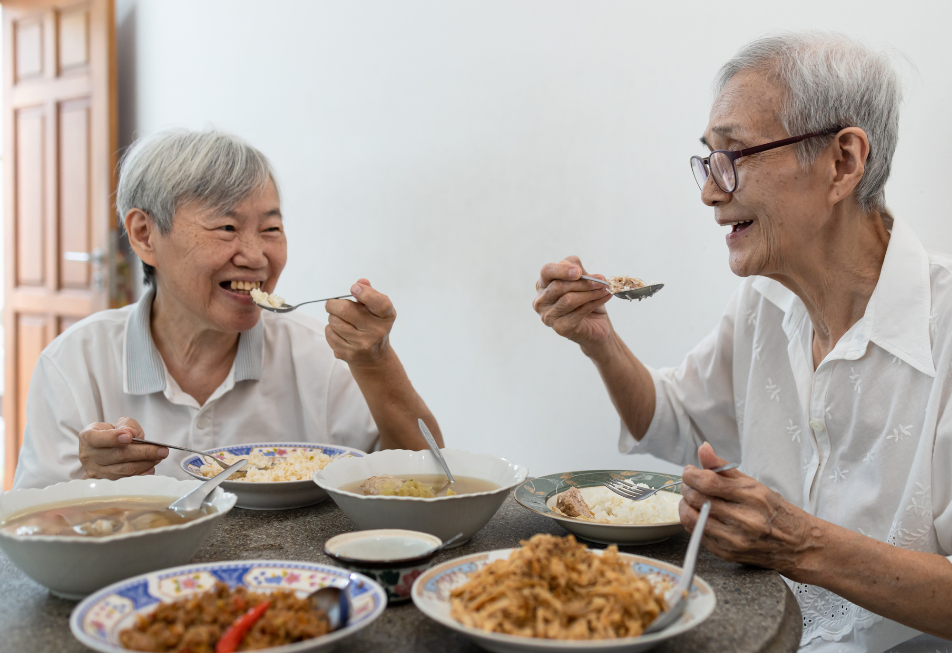
Nutrition plays an important role in rebuilding muscle strength. Protein helps the body repair and maintain muscle. Older adults may need to pay closer attention to protein intake, especially during recovery.
Good sources of protein include:
- Eggs
- Fish
- Chicken
- Beans and lentils
- Greek yoghurt
- Cheese
- Tofu
- Nuts and seeds
Meals should also include enough energy, fluids, vitamins and minerals. If someone has a poor appetite, weight loss or difficulty chewing, it may help to speak with a GP, dietitian or healthcare professional.
Use physiotherapy to support recovery
Physiotherapy can help people rebuild strength safely after illness.
A physiotherapist can assess how someone moves and identify where support is needed. They may look at walking, balance, leg strength, posture and confidence with everyday activities.
A physiotherapy plan may include exercises to improve:
- Strength
- Balance
- Mobility
- Walking ability
- Joint movement
- Confidence with daily tasks
Home physiotherapy can be helpful because the exercises can be linked to real activities, such as getting out of bed, using stairs or moving around the home.
Watch for signs that extra help is needed
Some weakness after illness is common. However, families should seek advice if an older person is not improving or seems to be getting weaker.
It may be time to speak with a GP or healthcare professional if they:
- Struggle to stand from a chair
- Need more help than usual
- Have had a recent fall
- Feel dizzy or unsteady
- Are eating or drinking very little
- Have pain that limits movement
- Become breathless with small amounts of activity
- Lose confidence moving around the home
Early support can help reduce the risk of further weakness, falls or hospital readmission.
Keep recovery part of daily life
Rebuilding strength often works best when movement becomes part of everyday routine.
This might mean standing up during television breaks, walking to the kitchen with support or practising safe transfers from bed to chair.
Small, regular efforts can be more manageable than occasional longer sessions.
Encouragement matters too. Many older people lose confidence after illness. They may worry about falling or becoming unwell again. Gentle support from family members, carers or healthcare professionals can help them feel safer as they recover.
How Independent People Homecare can help
At Independent People Homecare, we are the only UK live-in care provider to integrate free physiotherapy rehabilitation exercises into personalised care plans. Our physiotherapist and care team work together to support mobility, confidence and independence at home.
Find out how our live-in care and physiotherapy support could help you or a loved one. Call 0808 3040503 or request your free brochure today.