







Independent People Live-In Care is proud to be a Business Member of the Spinal Injuries Association, working alongside the SIA community to support people living with spinal cord injuries and other complex care needs to live as independently as possible.
Specialist Spinal Injury Care at Home
Nurse-Led Spinal Injury Care and Rehabilitation Support Across England
A spinal cord injury can be life-changing, affecting mobility, independence, emotional wellbeing, relationships, employment and everyday routines. Whether the injury has occurred recently or many years ago, navigating life after a spinal injury often requires ongoing support, rehabilitation and specialist expertise.
At Independent People Live-In Care, we are more than a live-in care provider. We are a trusted nurse-led spinal injury care partner, supporting individuals, families and healthcare professionals throughout every stage of the spinal injury journey.
As a CQC-regulated provider of Treatment of Disease, Disorder or Injury (TDDI) services, we deliver personalised live-in care that combines experienced carers with professional clinical oversight. Our focus is not simply on meeting day-to-day care needs, but on helping people maximise their independence, achieve rehabilitation goals and enjoy the highest possible quality of life within the comfort of their own home.
We understand that every spinal cord injury is unique. That’s why our nurse-led team works closely with clients, families, case managers, occupational therapists, physiotherapists, rehabilitation consultants, solicitors and healthcare professionals to create tailored care plans that evolve as needs change.
Our specialist spinal injury care services support people living with:

From supporting a safe transition home following hospital discharge to providing long-term rehabilitation-focused care, Independent People Live-In Care works in partnership with individuals and their wider support network to promote recovery, independence and wellbeing.
Our mission is simple: to help people living with spinal cord injuries remain safe, independent and in control of their lives while receiving the specialist support they need at home.
Independent People Live-In Care is a nurse-led spinal injury care partner, working alongside individuals, families, case managers and healthcare professionals to support recovery, rehabilitation and independent living across England.
Supporting Life After Spinal Injury
Spinal injuries affect more than physical mobility. They can impact confidence, emotional wellbeing, relationships, routines, and independence.
Our role is not simply to provide care, it is to support people in rebuilding daily life, maintaining independence, and achieving the best possible quality of life at home.
We work closely with families, case managers, rehabilitation teams, solicitors, and NHS professionals to deliver coordinated, person-centred support tailored to each person’s goals.
Understanding Spinal Cord Injuries
The spinal cord is the body’s main communication pathway between the brain and body. Injury can interrupt signals controlling movement, sensation, and automatic functions such as breathing, bladder control, and blood pressure.
The impact depends on the location and severity of injury:
- Cervical injuries (neck)
May cause tetraplegia (quadriplegia), affecting arms, legs, and torso, often requiring respiratory support and specialist care. - Thoracic and lumbar injuries (back)
May result in paraplegia, affecting the lower body, mobility, and continence.
Common causes include: road traffic accidents, falls, sports injuries, workplace accidents, infections, and medical conditions.
Recovery often requires ongoing rehabilitation, clinical monitoring, and specialist long-term support. Our nurse-led TDDI-regulated care ensures safe, structured, and clinically informed support at home.

Personal care
Bathing, dressing, and personal hygiene delivered with dignity and respect.
Continence management
Catheter care, bowel management programmes, and skin integrity monitoring.
Mobility and transfers
Safe moving and handling, hoist support, repositioning, and pressure care.
Nutrition and hydration
Meal planning to support recovery and overall health.
Medication support
Administration, monitoring, and coordination with healthcare professionals.
Rehabilitation support
Assisting with physiotherapy programmes and mobility goals.
Clinical monitoring
Observing symptoms, identifying risks, and responding to clinical changes.
Emotional and psychological support
Companionship, encouragement, and mental wellbeing support.
Specialist support for spinal injuries
Spinal injuries can bring extra challenges at home. Our carers are trained to understand these needs, follow each person’s care plan and spot when something may need furhter attention.
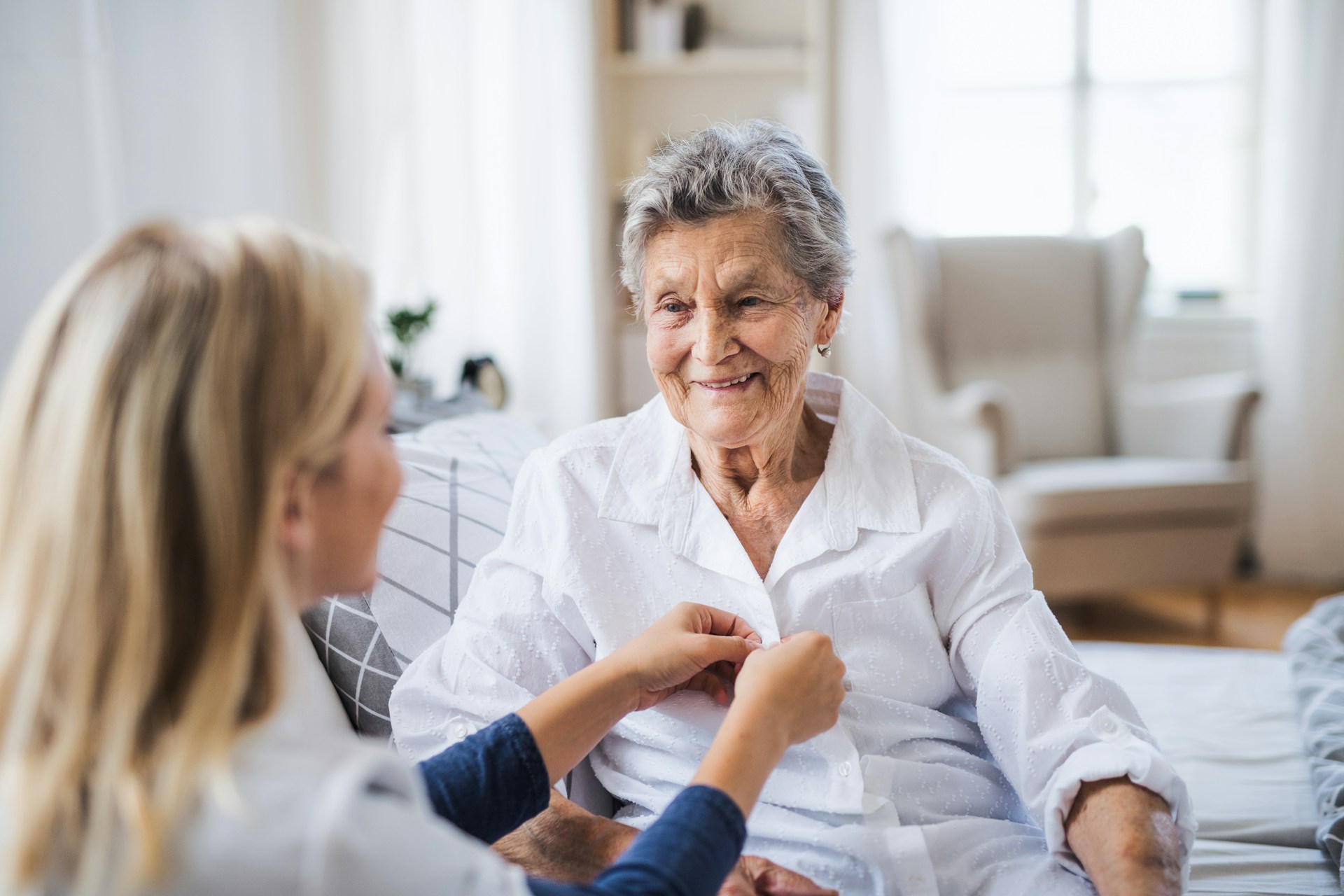
Spinal injuries can bring extra challenges at home. Our carers are trained to understand these needs, follow each person’s care plan and spot when something may need further attention.
For someone at risk of autonomic dysreflexia, having a trained carer who knows what to look for can be reassuring. Carers follow the person’s emergency plan, recognise warning signs and know when urgent help is needed.
Small things can make a big difference to skin health, from how someone is positioned to the equipment they use. We assess individual pressure risks and give carers clear guidance on positioning and repositioning. Florence Nightingale recognised the importance of regular repositioning while caring for wounded soldiers, and the principle remains important today.
Carers follow established bowel and bladder routines, helping with catheter care, prescribed bowel programmes and fluid monitoring where needed. They also get to know what is normal for the person, so they can spot changes and raise concerns promptly.
Some spinal injuries can make breathing and clearing the chest more difficult. Carers learn what is normal for each person and can support breathing exercises, positioning, supported coughing or specialist equipment where this forms part of their care plan.
Getting from a bed to a wheelchair, or moving around the home, needs to be done safely while allowing the person to do as much as they can themselves. Carers follow a personalised moving and handling plan and use the right equipment and techniques.
Carers get to know how each person normally moves and feels, helping them recognise changes in spasms or pain. They can support prescribed exercises, positioning and medication, while raising any new or changing concerns with the care team.
Person-Centred Care Built Around Your Life
We provide truly personalised care that supports both physical recovery and emotional wellbeing. Our approach focuses on helping individuals regain independence while maintaining comfort and familiar routines.
Working Alongside Case Managers and Healthcare Professionals
Delivering effective spinal injury care often requires close collaboration between multiple professionals.
Independent People Live-In Care regularly works alongside:
-
Case Managers
-
Occupational Therapists
-
Clinical Negligence Solicitors
-
Personal Injury Solicitors
-
Physiotherapists
-
Rehabilitation Consultants
-
Specialist Clinicians
-
District Nurses
-
NHS Continuing Healthcare Teams
Our collaborative approach helps ensure care plans remain aligned with rehabilitation objectives, funding arrangements and clinical recommendations.
Whether supporting an individual following a recent injury or providing long-term care as part of a catastrophic injury claim, we are committed to delivering coordinated, person-centred support that promotes the best possible outcomes.
Supporting Independence, Confidence and Quality of Life
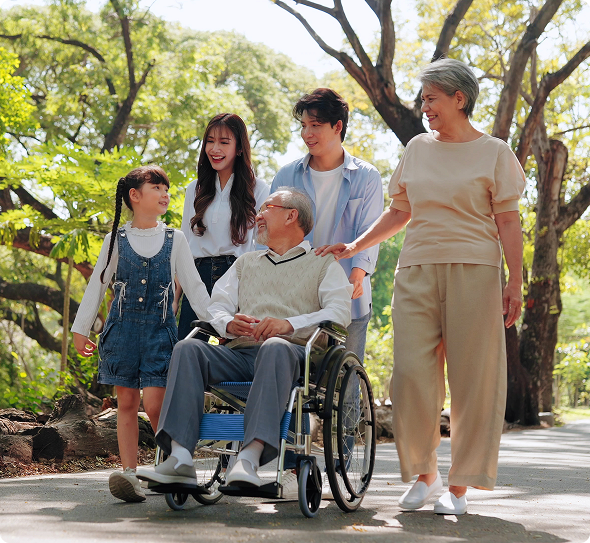
Living with a spinal cord injury affects far more than physical mobility. It can impact confidence, relationships, emotional wellbeing and day-to-day independence.
At Independent People Live-In Care, we believe that care should empower individuals rather than limit them.
Our carers support people to:
- Maintain independence wherever possible
- Stay connected with family and friends
- Participate in hobbies and interests
- Access education, employment or volunteering opportunities
- Attend appointments and community activities
- Achieve personal goals and rehabilitation outcomes
Our aim is to help every individual live life on their own terms while receiving the support they need to remain safe and comfortable at home.
Nurse-led care planning and clinical oversight
CQC-regulated Treatment of Disease, Disorder or Injury (TDDI) services
Specialist spinal injury experience
Rehabilitation-focused support
One-to-one live-in care
Flexible and personalised care packages
Carefully matched carers
Experience working alongside case managers and multidisciplinary teams
Nationwide coverage across England and Wales

Supporting Rehabilitation and Recovery
For many people, rehabilitation continues long after discharge from hospital or a specialist spinal injuries unit. Ongoing support within the home environment can play a vital role in helping individuals regain confidence, rebuild independence and achieve personal recovery goals.
At Independent People Live-In Care, we work closely with physiotherapists, occupational therapists, rehabilitation consultants and case managers to support rehabilitation programmes tailored to each individual.
Our carers can assist with:
- Physiotherapy exercises and mobility programmes
- Daily living skills
- Community access and social reintegration
- Confidence-building activities
- Maintaining routines and rehabilitation goals
- Supporting independence within the home
By providing consistent one-to-one support, we help individuals continue their rehabilitation journey within familiar surroundings while promoting long-term wellbeing and independence.
Flexible Spinal Injury Live-In Care Options
All care plans are regularly reviewed to adapt to changing clinical needs.
-
 Long-term live-in care
-
Short-term rehabilitation support
-
Respite care
-
Emergency live-in placements
Further information & next steps
If you would like a copy of our clinical governance framework, staff training programme or references from other families, please call 0808 304 0500 or email info@ip-live-in-care.co.uk. We can arrange a home visit and a full care assessment at a time that suits you.
Experiences and Skills of Our Live-In Carers for Spinal Injuries
Experienced and Trustworthy Carers
What’s Included in Home Care for Spinal Cord Injury
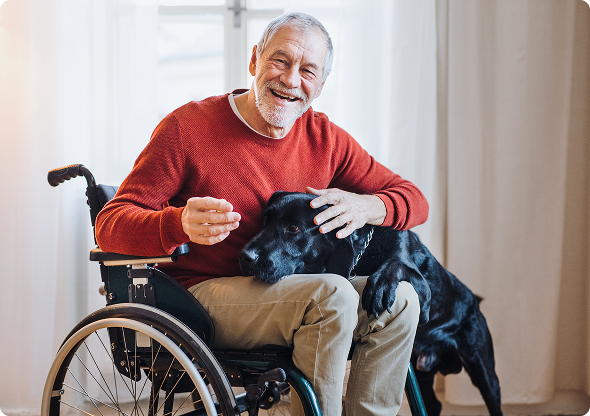
At Independent People Live-In Care, we understand the unique challenges faced by people with spinal injuries and the importance of receiving personalised, compassionate care. Our live-in carers are dedicated professionals who are not only highly skilled but also deeply committed to improving the quality of life for our clients.
Rest assured that all our carers undergo rigorous police checks and a thorough interview, vetting, and selection process before joining our team. We strive to match you with carers who are not only capable but also a great fit for your home. You will have the opportunity to review their profiles and speak with us if you have any questions
Personal care
Assisting with bathing, dressing, grooming, and other personal hygiene tasks to ensure you feel comfortable and dignified.
Mobility Support
Helping you move safely around your home and accompanying you to appointments or social activities.
Meal Preparation
Planning and preparing nutritious meals tailored to your dietary needs, often involving clients in the cooking process to promote independence and mental stimulation.
Companionship
Providing emotional support and engaging in meaningful activities to improve your quality of life.
Household Chores
Performing light housekeeping duties such as washing, ironing, and hoovering to maintain a clean and safe living environment.
Building Strong Connections
Developing a strong bond with our clients is at the heart of our 24-hour home care. Our carers often form deep connections, becoming trusted friends and confidants. They frequently work with the same families for extended periods, ensuring continuity of care and a deep understanding of your needs and preferences.
Flexibility and Emotional Fulfilment
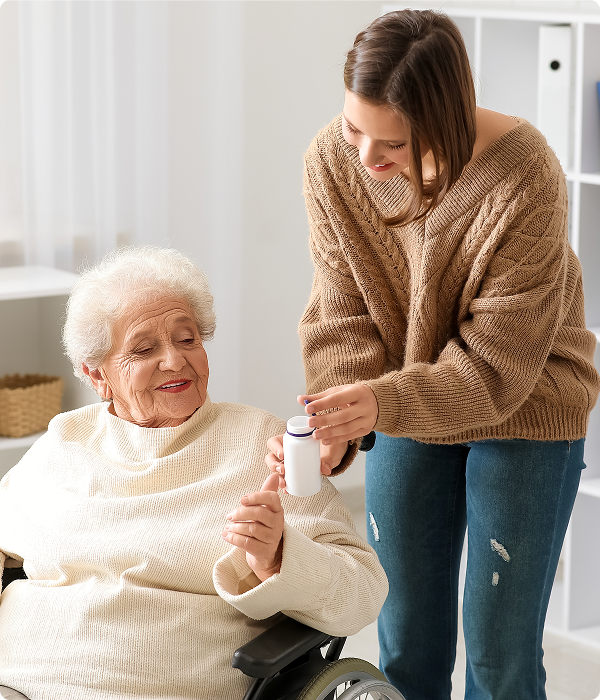
Our carers are adaptable and ready to handle a range of situations, from everyday tasks to unexpected challenges. This flexibility is crucial as they manage your unique routines and needs. While the job can be demanding, it is incredibly rewarding. Our carers find immense satisfaction in making a significant difference in your life, providing comfort and improving your independence.
Ongoing Training and Support
To ensure the highest standard of care, our carers undergo comprehensive training, including:
- Basic Care Skills
Mastering fundamental care techniques to assist with personal hygiene, mobility, and daily living activities. - Specialised Care
Receiving training tailored to the specific needs of clients with spinal injuries, ensuring they can address your unique requirements effectively. - Communication Skills
Learning to communicate clearly and compassionately with clients, their families, and healthcare professionals. - Emotional Support
Acquiring techniques to provide emotional and psychological support, helping you cope with feelings of loneliness, anxiety, or depression.
At Independent People Live-In Care, our goal is to provide you with carers who not only meet your physical needs but also contribute positively to your emotional and psychological well-being. We are committed to ensuring that our carers become trusted experts who have your complete confidence.
How can we support you?
Care for Younger Adults
Live-in care for younger adults, an alternative to residential care
View Brochure

Spinal Injury Home Care FAQ
Live in Care for Spinal Injuries FAQ
Live-in care involves a professional caregiver residing in the client's home to provide continuous, round-the-clock support. For individuals with spinal injuries, this means receiving personalised care tailored to their specific needs, enhancing their quality of life and promoting independence. Unlike traditional care homes, live-in care ensures that the caregiver is always available to assist with daily activities and medical needs, fostering a sense of stability and security. This level of dedicated care is particularly beneficial for individuals with spinal injuries who may require frequent assistance and specialised attention. Studies have highlighted that the home environment, combined with personalised care, can significantly improve mental health outcomes and reduce hospital readmissions, thus enhancing overall well-being (National Institute for Health and Care Excellence, 2020).
Live-in care provides consistent and personalised support, which can significantly enhance the quality of life for individuals with spinal injuries. Caregivers assist with daily activities, manage medications, and offer emotional support, promoting independence and well-being. Studies have shown that individuals receiving personalised care at home experience better mental health and reduced hospital admissions compared to those in institutional care settings. According to research by the National Institute for Health and Care Excellence (NICE), personalised care plans that include live-in support have been linked to improved patient satisfaction and better health outcomes due to the continuity of care and familiarity with the caregiver.
A live-in carer can assist with a wide range of tasks, including personal care (bathing, dressing, grooming), mobility support, medication management, meal preparation, household chores, and companionship. They can also help with specialised tasks such as catheter care, bowel management, and physiotherapy exercises, which are crucial for individuals with spinal injuries. This comprehensive support ensures that all aspects of the individual’s needs are met, thereby promoting a higher quality of life and greater independence. According to a study published in the Journal of Spinal Cord Medicine, comprehensive in-home care plans that include these tasks can significantly enhance the daily functioning and overall well-being of individuals with spinal injuries.
Live-in care offers a personalised approach, allowing individuals to remain in their familiar home environment, which can be more comforting and less disruptive than moving to a care home. Research has shown that individuals with spinal injuries benefit from the continuity and personalisation of live-in care, leading to better health outcomes and greater satisfaction. A study conducted by the University of Oxford found that patients receiving home-based care reported higher levels of contentment and fewer complications compared to those in residential care settings. The home environment also enables caregivers to develop a deeper understanding of the patient's needs and preferences, facilitating more effective and empathetic care.
Our carers at IP Live-in Care are highly trained and experienced in providing care for individuals with spinal injuries. They undergo rigorous training and continuous professional development to ensure they are equipped with the latest knowledge and techniques in spinal injury care. Our training programs are aligned with standards set by leading health organisations, ensuring that our caregivers are competent in providing both medical and non-medical support. Additionally, our carers are trained to handle emergency situations, administer medications, and assist with specialised equipment, ensuring comprehensive care. The Spinal Injuries Association emphasises the importance of specialised training for carers working with spinal injury patients, underscoring the commitment we have to providing high-quality care.
Arranging live-in care with IP Live-in Care is straightforward and tailored to your needs. You can contact us directly via our website or phone to discuss your specific requirements. Our team will conduct an initial assessment to understand your needs and preferences, and then match you with a suitable carer. We ensure a smooth transition by providing comprehensive support during the initial stages, including introductions and trial periods to ensure compatibility. For more information, you can visit our website or contact our customer support team.
Emotional support is a critical component of live-in care. Our carers are trained to provide not only physical assistance but also emotional and psychological support. They engage in meaningful conversations, offer companionship, and create a positive and supportive environment. This holistic approach is crucial for individuals with spinal injuries, who may experience feelings of isolation or depression. Research by the American Psychological Association has shown that emotional support from caregivers can significantly improve mental health outcomes and overall quality of life.
The costs of live-in care can vary based on the level of care required and the specific needs of the individual. However, it is often more cost-effective than institutional care, especially when considering the personalised attention and comprehensive support provided. Live-in care also eliminates the need for multiple caregivers, reducing overall expenses. For a detailed breakdown of costs, please contact us directly for a personalised quote. Studies have demonstrated that home-based care can be a more economical option in the long term due to reduced hospital admissions and better health management (University of Birmingham).
At IP Live-in Care, the safety and well-being of our clients are our top priorities. We implement rigorous screening and training processes for our carers, conduct regular evaluations, and utilise advanced care management systems to monitor and manage care plans effectively. Additionally, our carers are trained in first aid, emergency response, and infection control, ensuring a safe and secure environment for our clients. According to the World Health Organization (WHO), maintaining a safe home environment and having trained caregivers can significantly reduce the risk of accidents and complications for individuals with spinal injuries.
Yes, live-in care can play a vital role in rehabilitation and recovery for individuals with spinal injuries. Our carers work closely with healthcare professionals to implement and support rehabilitation programs, including physiotherapy, occupational therapy, and other therapeutic exercises. This consistent and personalised approach can accelerate recovery, improve mobility, and enhance overall physical function. Research published in the Journal of NeuroEngineering and Rehabilitation indicates that tailored home-based rehabilitation programs can lead to significant improvements in functional outcomes for spinal injury patients.
Live-in care offers several advantages over visiting care. With live-in care, the caregiver is always present, ensuring immediate and continuous support. This is particularly beneficial for individuals with spinal injuries who may require frequent assistance and have unpredictable needs. In contrast, visiting care involves scheduled visits, which may not provide the same level of responsiveness. A study by the British Journal of Community Nursing found that continuous, round-the-clock care leads to better health outcomes and higher patient satisfaction compared to intermittent, scheduled visits.
Our live-in carers are trained in medication management, ensuring that clients receive their medications accurately and on time. They work closely with healthcare professionals to understand the medication regimen and monitor for potential side effects. Proper medication management is crucial for individuals with spinal injuries, as it helps prevent complications and supports overall health. According to the National Health Service (NHS), adherence to medication schedules is vital for managing chronic conditions and preventing hospital readmissions.
Live-in carers provide essential support to enhance mobility for individuals with spinal injuries. They assist with exercises prescribed by physiotherapists, help with transfers and repositioning, and use mobility aids safely. This support helps prevent complications such as pressure sores and muscle atrophy. Research from the Spinal Cord Injury Rehabilitation Evidence project indicates that regular, supported physical activity significantly improves mobility and quality of life for spinal injury patients.
Yes, live-in care is highly flexible and can be customised to meet the unique needs of each client. Our carers develop personalised care plans based on a thorough assessment of the client's health status, preferences, and lifestyle. This tailored approach ensures that clients receive the exact support they need, enhancing their comfort and well-being. The Royal College of Nursing emphasises the importance of personalised care plans in achieving optimal health outcomes.
Live-in carers provide not only physical care but also emotional and social support. They engage clients in social activities, offer companionship, and encourage participation in hobbies and interests. This holistic approach helps reduce feelings of isolation and depression, which are common among individuals with spinal injuries. Studies published in the Journal of Rehabilitation Research and Development have shown that social engagement and emotional support significantly improve mental health and quality of life for spinal injury patients.
At IP Live-in Care, we prioritise compatibility to ensure a harmonious and effective caregiving relationship. We conduct thorough assessments of both the client's needs and the carer's skills, personality, and preferences. This matching process helps ensure that the carer and client form a positive, supportive relationship. According to the Care Quality Commission (CQC), a good match between carer and client is crucial for the success of home care services and the well-being of the client.
Our live-in carers are trained to handle a wide range of emergencies, including medical crises and accidents. They are knowledgeable in first aid, CPR, and emergency response protocols. In the event of an emergency, they can provide immediate assistance and coordinate with medical professionals to ensure prompt and appropriate care. The Resuscitation Council UK highlights the importance of having trained individuals available to respond to emergencies, particularly for vulnerable populations such as those with spinal injuries.
Live-in carers play a crucial role in preventing complications associated with spinal injuries. They monitor for early signs of issues such as pressure sores, urinary tract infections, and respiratory problems. By providing consistent care and following preventive measures, they help maintain the client’s health and prevent hospitalisations. The World Health Organization (WHO) stresses the importance of preventive care in managing chronic conditions and reducing healthcare costs.
Proper nutrition is vital for individuals with spinal injuries, and our live-in carers are trained to prepare balanced, nutritious meals that meet the client’s dietary requirements. They work with dietitians to create meal plans that promote healing and overall health. Research published in the Journal of Human Nutrition and Dietetics underscores the role of tailored nutrition in improving recovery outcomes for spinal injury patients.
Yes, IP Live-in Care offers both long-term and short-term live-in care services. Temporary care can be arranged for situations such as post-surgery recovery, respite for family caregivers, or during periods of illness. This flexibility allows clients to receive the necessary support without committing to long-term arrangements.
Live-in care supports independence by enabling individuals with spinal injuries to remain in their own homes and participate in daily activities to the extent of their ability. Carers provide assistance where needed while encouraging clients to perform tasks independently. This approach fosters a sense of autonomy and control over their lives. Research by the University of Glasgow indicates that maintaining independence is crucial for the psychological well-being of individuals with chronic conditions.
Managing pain is a critical aspect of care for individuals with spinal injuries. Our live-in carers are trained to assist with pain management strategies, including administering prescribed medications, facilitating physical therapy exercises, and using non-pharmacological methods such as heat therapy or relaxation techniques. A study in the European Journal of Pain highlights the effectiveness of a multimodal approach to pain management in improving the quality of life for spinal injury patients.
Carers at IP Live-in Care undergo extensive training, covering areas such as spinal injury care, emergency response, medication management, and emotional support. They also receive ongoing professional development to stay updated with the latest care techniques and best practices. This comprehensive training ensures that they are well-equipped to provide high-quality care. The British Red Cross emphasises the importance of continuous training for caregivers to ensure competency and safety in care provision.
Mental health support is a key component of our live-in care services. Carers provide emotional support, encourage social interaction, and facilitate activities that promote mental well-being. They are also trained to recognise signs of mental health issues and can coordinate with mental health professionals when necessary. According to the Mental Health Foundation, providing comprehensive mental health support is essential for the overall well-being of individuals with chronic health conditions.
Yes, live-in care can significantly ease the transition from hospital to home. Our carers work closely with healthcare teams to ensure a smooth and safe discharge process. They provide the necessary support to continue rehabilitation at home and help clients adapt to their home environment. A study published in the Journal of Hospital Medicine found that coordinated home care services reduce readmission rates and improve recovery outcomes for patients transitioning from hospital to home.
Live-in carers help maintain a safe home environment by ensuring that the living space is free of hazards and adapted to meet the client’s needs. They assist with home modifications, such as installing grab bars or rearranging furniture, to enhance safety and accessibility. The Centers for Disease Control and Prevention (CDC) highlights the importance of a safe home environment in preventing accidents and promoting independence for individuals with mobility impairments.
Having a live-in carer can provide significant relief and peace of mind for family members. It ensures that their loved one receives professional, around-the-clock care, allowing family members to focus on their own responsibilities and well-being. This support can prevent caregiver burnout and improve the overall family dynamic. The Carers Trust recognises the crucial role of professional carers in supporting family caregivers and enhancing the quality of life for the entire family.
Bowel and bladder management is a critical aspect of care for individuals with spinal injuries. Our live-in carers are trained to assist with catheter care, bowel programs, and incontinence management, ensuring the client’s comfort and dignity. Proper management of these functions helps prevent complications such as infections and skin issues. Research from the National Institute of Diabetes and Digestive and Kidney Diseases (NIDDK) underscores the importance of effective bowel and bladder care in maintaining the health of individuals with spinal injuries.
Live-in carers play an important role in facilitating social connections for their clients. They encourage participation in social activities, help maintain relationships with family and friends, and support involvement in community events. This social engagement is vital for mental and emotional well-being. According to the Campaign to End Loneliness, social connections significantly impact the health and happiness of individuals, particularly those with chronic health conditions.
Yes, live-in care can be integrated with other healthcare services to provide comprehensive support. Our carers work alongside healthcare professionals such as doctors, nurses, and therapists to ensure coordinated care. This collaborative approach enhances the effectiveness of treatment plans and supports holistic health management. The National Health Service (NHS) advocates for integrated care models to improve patient outcomes and streamline healthcare delivery.
Individuals with spinal injuries often face secondary health conditions such as respiratory issues, pressure sores, and cardiovascular problems. Our live-in carers provide vigilant monitoring and preventive care to manage these conditions effectively. They follow prescribed treatment plans and alert healthcare professionals to any changes in the client’s condition. A study in the Journal of Spinal Cord Medicine highlights the importance of proactive management of secondary conditions to improve health outcomes for spinal injury patients.
The process for matching a client with a live-in carer at IP Live-in Care involves a detailed assessment of the client’s needs, preferences, and personality. This information helps us identify a carer whose skills and characteristics align with the client’s requirements. We also facilitate introductions and trial periods to ensure compatibility and satisfaction. The Social Care Institute for Excellence (SCIE) emphasises the importance of personalised matching in achieving positive care experiences and outcomes.
Live-in carers assist clients with establishing and maintaining daily routines that promote health and well-being. This includes helping with morning and evening routines, meal planning, exercise schedules, and leisure activities. A consistent routine can provide structure and stability, which is especially beneficial for individuals with spinal injuries. The University of Bristol found that structured daily routines are associated with improved mental health and quality of life for individuals with chronic conditions.
Yes, live-in care is highly adaptable and can be adjusted as the needs of the client change. Our carers regularly review and update care plans to reflect any changes in the client’s health status or personal preferences. This flexibility ensures that the client always receives the appropriate level of care. The Royal College of Physicians supports the need for adaptive care plans to respond to the evolving needs of patients with chronic conditions.
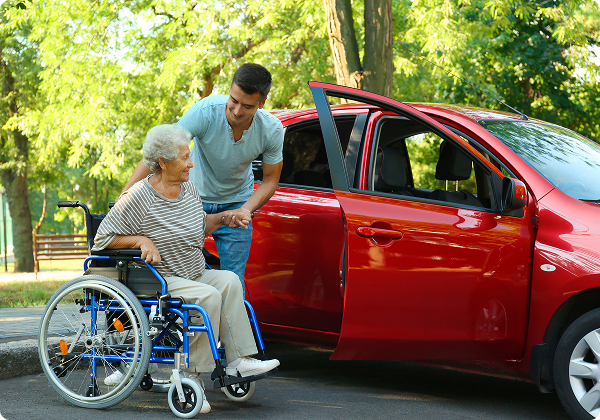
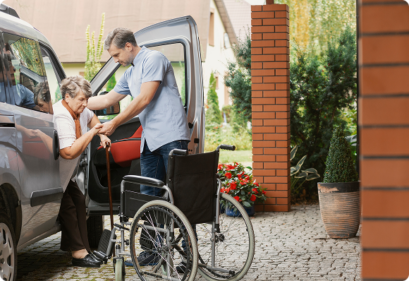
Live-in carers can assist with transportation, helping clients attend medical appointments, therapy sessions, social activities, and other outings. They ensure safe transfers to and from vehicles and accompany clients to provide support as needed. This assistance promotes independence and enables clients to participate in community life. The Motability Scheme highlights the importance of accessible transportation in enhancing the quality of life for individuals with mobility impairments.
At IP Live-in Care, we adhere to strict confidentiality and privacy policies to protect our clients’ personal information. Our carers are trained to respect the privacy of clients and handle sensitive information with discretion. We comply with data protection regulations, ensuring that all client information is securely stored and only shared with authorised individuals. The Information Commissioner’s Office (ICO) provides guidelines on maintaining confidentiality and privacy in care services.
Our live-in carers are trained to assist clients in using technological aids and adaptive equipment, such as mobility devices, communication tools, and smart home technology. They ensure that clients are comfortable and proficient in using these aids, which can significantly enhance independence and safety. A study by the University of Sheffield found that the effective use of assistive technology greatly improves the quality of life for individuals with disabilities.
Elderly individuals with spinal injuries benefit greatly from live-in care, which provides the continuous support needed to manage their complex health needs. Live-in carers offer assistance with mobility, personal care, medication management, and daily activities, helping elderly clients maintain their independence and quality of life. The Age UK research highlights that personalised home care significantly improves health outcomes and satisfaction for elderly individuals.
Live-in carers provide emotional support and create a calm, reassuring environment to help clients manage stress and anxiety. They use techniques such as active listening, relaxation exercises, and encouraging participation in stress-reducing activities like hobbies and social interaction. According to the Anxiety UK, having consistent emotional support can significantly reduce anxiety levels and improve mental health.
To learn more about our services or arrange a consultation, you can visit our website or contact our customer support team. We offer free initial consultations to discuss your needs and provide detailed information about how our live-in care services can benefit you or your loved one. Our team is dedicated to answering your questions and helping you make informed decisions about care options.