
Caring for someone with cancer at home can feel overwhelming, especially when you are trying to balance medical needs with emotional support and everyday life. With the right approach, home care can provide comfort, dignity and a sense of normality during a difficult time.
This guide explains how to care for cancer patients at home, what support may be needed and how to make daily life as safe and manageable as possible.
Understanding care needs
Every person’s experience with cancer is different. Care needs will depend on the type of cancer, stage of treatment and how the condition affects the body.
Some people may need minimal support, while others may require more regular help with daily tasks, mobility or symptom management. Needs can also change over time, so it is important to stay flexible and responsive.
Supporting daily routines
Maintaining familiar routines can help provide comfort and stability.
Support may include:
- Help with washing, dressing and personal hygiene
- Assistance with moving safely around the home
- Preparing meals and encouraging regular eating
- Helping with light household tasks
Keeping routines consistent can reduce stress and help the person feel more in control.
Managing symptoms and side effects
Cancer and its treatments can cause a range of side effects, including fatigue, pain, nausea and reduced appetite.
You can help by:
- Encouraging rest and pacing activities throughout the day
- Monitoring symptoms and noting any changes
- Supporting medication routines as advised by healthcare professionals
- Keeping the home environment calm and comfortable
If symptoms worsen or become difficult to manage, speak to a GP, nurse or specialist team.
Providing emotional support
Emotional wellbeing is just as important as physical health. A cancer diagnosis can bring anxiety, low mood or uncertainty.
Simple ways to provide support include:
- Listening without judgement
- Offering reassurance and patience
- Encouraging conversations about feelings
- Helping them stay connected with family and friends
Being present and consistent can make a significant difference.
Creating a safe home environment
Creating a safe and comfortable home environment is an important part of caring for someone with cancer. As treatment progresses or symptoms change, everyday spaces may need small adjustments to reduce risk and make daily life easier.
Even simple changes can help prevent falls, reduce fatigue and improve confidence when moving around the home.
Consider:
- Reducing trip hazards such as loose rugs, wires or clutter to create clear walking paths
- Ensuring good lighting throughout the home, especially in hallways, bathrooms and near stairs
- Keeping essential items within easy reach to avoid unnecessary bending or stretching
- Providing supportive seating and a comfortable bed to reduce strain and improve rest
- Making sure frequently used areas such as the kitchen and bathroom are easy to access
You may also want to think about practical adjustments such as handrails, non-slip mats or rearranging furniture to create more space. If mobility becomes more limited, equipment like walking aids or specialist beds can offer additional support.
An occupational therapist or healthcare professional can assess the home and recommend adaptations that make day to day living safer and more manageable. These changes can help the person maintain independence while giving both them and their family greater peace of mind.
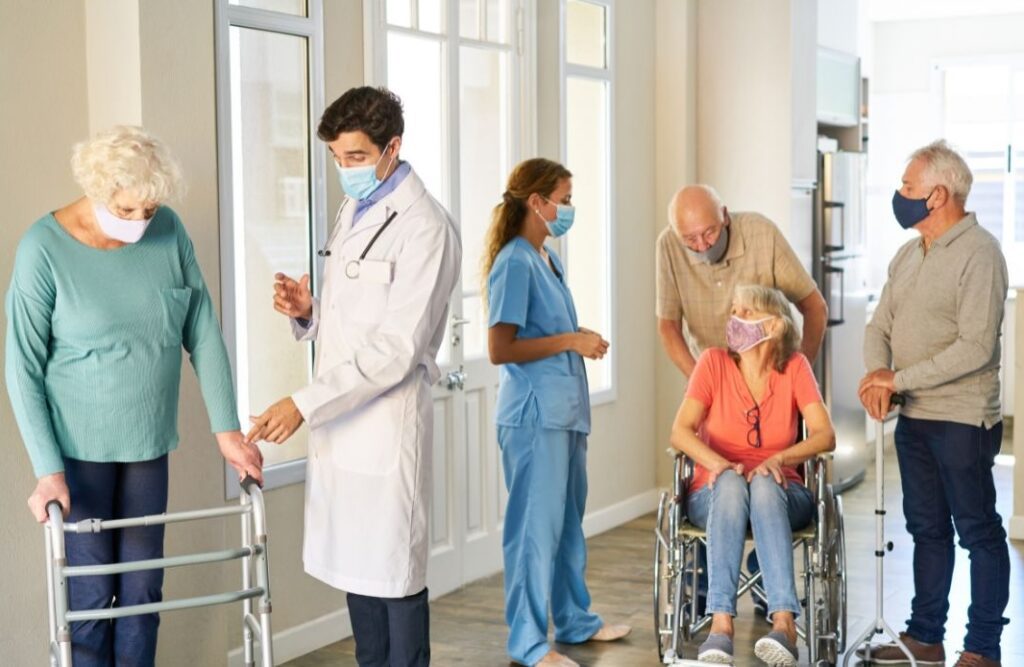
Working with healthcare professionals
You are not expected to manage everything alone. Support from healthcare professionals is essential.
This may include:
- District nurses or community nurses
- GPs and hospital teams
- Palliative care specialists
- Occupational therapists
They can help with treatment, symptom management and advice on ongoing care.
Looking after yourself as a carer
Caring for someone with cancer can be physically and emotionally demanding, especially over a long period of time. It is easy to focus entirely on the person you are supporting, but looking after your own wellbeing is just as important.
Taking time to rest and recharge helps you stay healthy, reduces stress and allows you to continue providing the best possible care. Even small breaks can make a difference.
Try to:
- Take regular breaks where possible, even short periods of time to rest
- Ask for help from family or friends so you are not managing everything alone
- Consider respite care if you need time to recover or focus on other responsibilities
- Speak to support groups or organisations for advice, reassurance and shared experiences
It can also help to talk openly about how you are feeling, whether with someone you trust or a professional. Caring can be rewarding, but it can also be challenging, and you do not have to manage it on your own.
Looking after yourself is not a luxury, it is an essential part of providing safe, consistent and compassionate care.
When to consider professional home care
As needs increase, professional support can make a significant difference. Home care can provide:
- Help with personal care and daily tasks
- Medication support
- Companionship and emotional reassurance
- Overnight or live-in care where needed
This can reduce pressure on family members and ensure consistent, safe care.
Need support with cancer care at home?
If you are caring for someone with cancer and need extra support, Independent People can help. We provide personalised live-in care that supports comfort, dignity and independence at home.
Whether you need short term support, ongoing live-in cancer care or help understanding what is available, we are here to make the process simple and reassuring.
Call 0808 304 0500 or email hello1789046066@ipho1789046066mecar1789046066e.co.1789046066uk1789046066 to arrange a free, no obligation discussion with our care team.