
For many families, the idea of caring for someone with cancer at home raises an important question: is it safe? The short answer is yes, with the right support, planning and professional guidance, cancer care at home can be both safe and highly effective.
In fact, many people prefer to receive care in familiar surroundings, where they feel more comfortable, in control and supported by those around them.
When is cancer care at home safe?
Cancer care at home is safe when the right level of care and support is in place. This depends on the individual’s condition, treatment plan and overall health.
Home care is often suitable when:
- Symptoms can be managed with support from healthcare professionals
- The home environment is safe and adapted where needed
- There is access to medical advice and regular check ups
- A carer or support network is available
For many people, home care can safely support both early stage treatment and more advanced care needs.
The role of healthcare professionals
You do not have to manage cancer care alone. A range of healthcare professionals can support safe care at home, including:
- GPs and hospital specialists
- Community and district nurses
- Palliative care teams
- Occupational therapists
These professionals help manage symptoms, monitor progress and provide advice, ensuring care remains safe and appropriate.
How live-in care supports safety
A live-in carer can play an important role in maintaining safety and consistency at home. They provide one to one support, helping manage both practical and emotional needs.
Support may include:
- Help with personal care and daily routines
- Medication reminders and monitoring
- Assistance with mobility and reducing fall risks
- Observing changes in health and reporting concerns
- Providing reassurance and companionship
Having consistent support in place can help prevent issues from escalating and ensure help is always available when needed.
Creating a safe home environment
A safe home environment is key to reducing risks and supporting independence.
Simple steps include:
- Keeping walkways clear to prevent trips and falls
- Ensuring good lighting throughout the home
- Keeping essential items within easy reach
- Using equipment such as handrails or non-slip mats if needed
Small adjustments can make a big difference to safety and confidence.
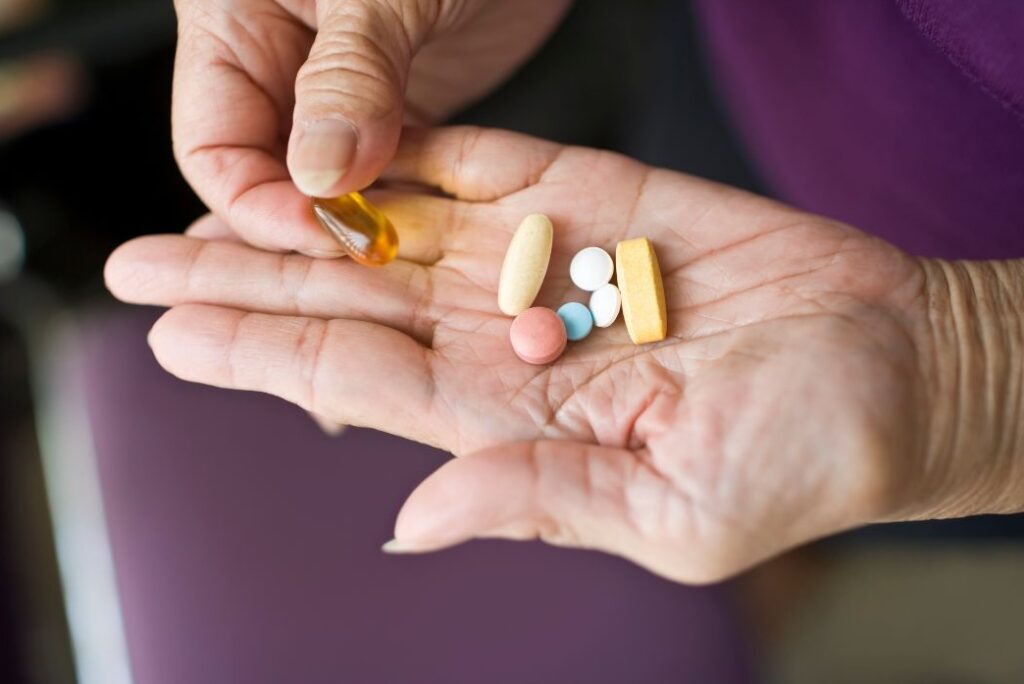
Managing symptoms safely at home
Cancer and its treatments can cause symptoms such as fatigue, pain and reduced mobility. These can be safely managed at home with the right approach.
This includes:
- Following medical advice and treatment plans
- Monitoring symptoms and noting any changes
- Encouraging rest and balanced activity
- Seeking medical help if symptoms worsen
Clear communication with healthcare professionals is essential to ensure ongoing safety.
When home care may not be suitable
While cancer care at home is safe for many people, there are situations where additional medical support may be needed.
This may include:
- Sudden or severe changes in health
- Complex medical needs requiring constant clinical supervision
- Situations where symptoms cannot be managed safely at home
In these cases, hospital care or specialist settings may be recommended, either temporarily or long term.
Benefits of cancer care at home
When appropriate support is in place, home care offers several advantages:
- Familiar surroundings that support comfort and wellbeing
- Greater independence and control over daily life
- More personalised, one to one care
- Easier access for family and friends to provide support
For many people, this leads to a better overall quality of life.
The key takeaway
Cancer care at home is safe for many people, provided the right support systems are in place. With guidance from healthcare professionals and, where needed, professional home care, individuals can receive high quality care in the comfort of their own home.
Need support with cancer care at home?
If you are considering care at home for yourself or a loved one, our team is here to help. We can guide you through your options and arrange personalised live-in cancer care that supports safety, comfort and independence.
Call 0808 304 0500 or email hello1788815909@ipho1788815909mecar1788815909e.co.1788815909uk1788815909 to arrange a free, no obligation discussion.