
Deconditioning can happen surprisingly quickly in older adults. A short hospital stay, illness or even a few weeks of reduced activity can lead to noticeable changes in strength, balance and mobility.
For many elderly people, this decline can affect confidence as much as physical health. Everyday tasks may begin to feel tiring, movement can become more difficult and independence may gradually reduce.
The good news is that with the right support, many people can rebuild strength, improve mobility and regain confidence safely at home.
What does deconditioning mean?
Deconditioning refers to the physical decline that happens when the body becomes less active over time.
When muscles are not used regularly, they naturally become weaker. Balance, coordination and stamina can also reduce, making movement feel more challenging.
Older adults are particularly vulnerable because muscle strength already decreases naturally with age.
Common causes of deconditioning in elderly people
There are several reasons why an older person may become deconditioned.
These can include:
- Hospital stays
- Illness or infection
- Surgery and recovery periods
- Falls or injuries
- Reduced mobility
- Long periods spent sitting or in bed
- Chronic health conditions
Sometimes deconditioning develops gradually, especially if confidence with movement has already started to decline.
Signs to look out for
The symptoms of deconditioning are not always obvious at first. Small changes in mobility and confidence can slowly become more noticeable over time.
You may notice:
- Difficulty standing up from chairs
- Walking more slowly
- Increased tiredness
- Loss of balance
- Muscle weakness
- Reduced confidence walking outdoors
- Greater dependence on support from others
Some people may also begin avoiding activities they previously enjoyed because movement feels more difficult or tiring.
Why staying active matters
Regular movement plays an important role in healthy ageing.
According to Sport England, 42 per cent of adults aged 55 and over are inactive, compared to 29 per cent of the wider adult population. As the UK population continues to age, supporting mobility and physical wellbeing is becoming increasingly important.
Even gentle movement can help improve:
- Strength and flexibility
- Balance and coordination
- Circulation
- Confidence
- Mental wellbeing
- Independence
Small daily activities often make a meaningful difference over time.
Recovery takes time and support
Recovering from deconditioning should happen gradually. Trying to do too much too quickly can increase the risk of injury or falls.
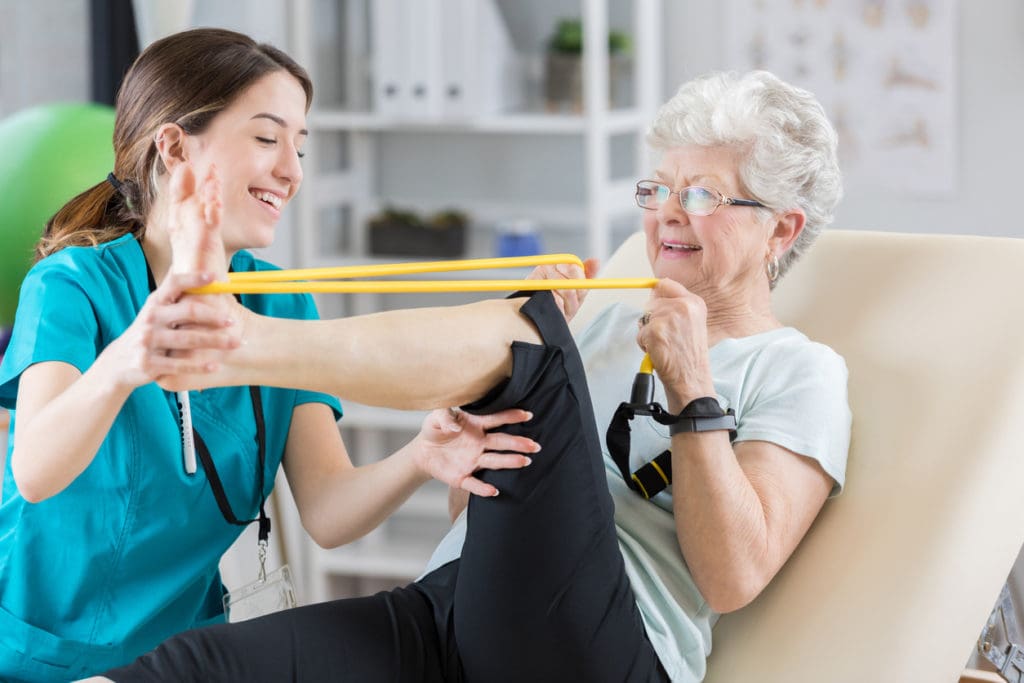
Many older adults benefit from structured support that encourages safe movement and gentle physical activity in a familiar environment.
This might include:
- Daily mobility support
- Physiotherapy exercises
- Walking practice
- Strength and balance routines
- Support with everyday tasks
- Encouragement and reassurance
Building confidence is often just as important as rebuilding physical strength.
Physiotherapy rehabilitation at home
At Independent People Homecare, we understand how important movement is for maintaining independence and quality of life.
We are the only live in care agency in the UK to integrate free physiotherapy exercises into personalised care plans.
Our physiotherapy rehabilitation home care service supports older adults with gentle exercises designed around their individual needs, mobility levels and recovery goals. Working alongside our live in carers, our resident physiotherapist helps people safely rebuild strength, improve balance and regain confidence at home.
Looking for support with elderly care at home?
Independent People Homecare offers personalised home care services that support independence, mobility and wellbeing.
Call 0808 304 0500 to speak to our friendly team or email hello@iphomecare.co.uk to arrange a free, no obligation discussion.